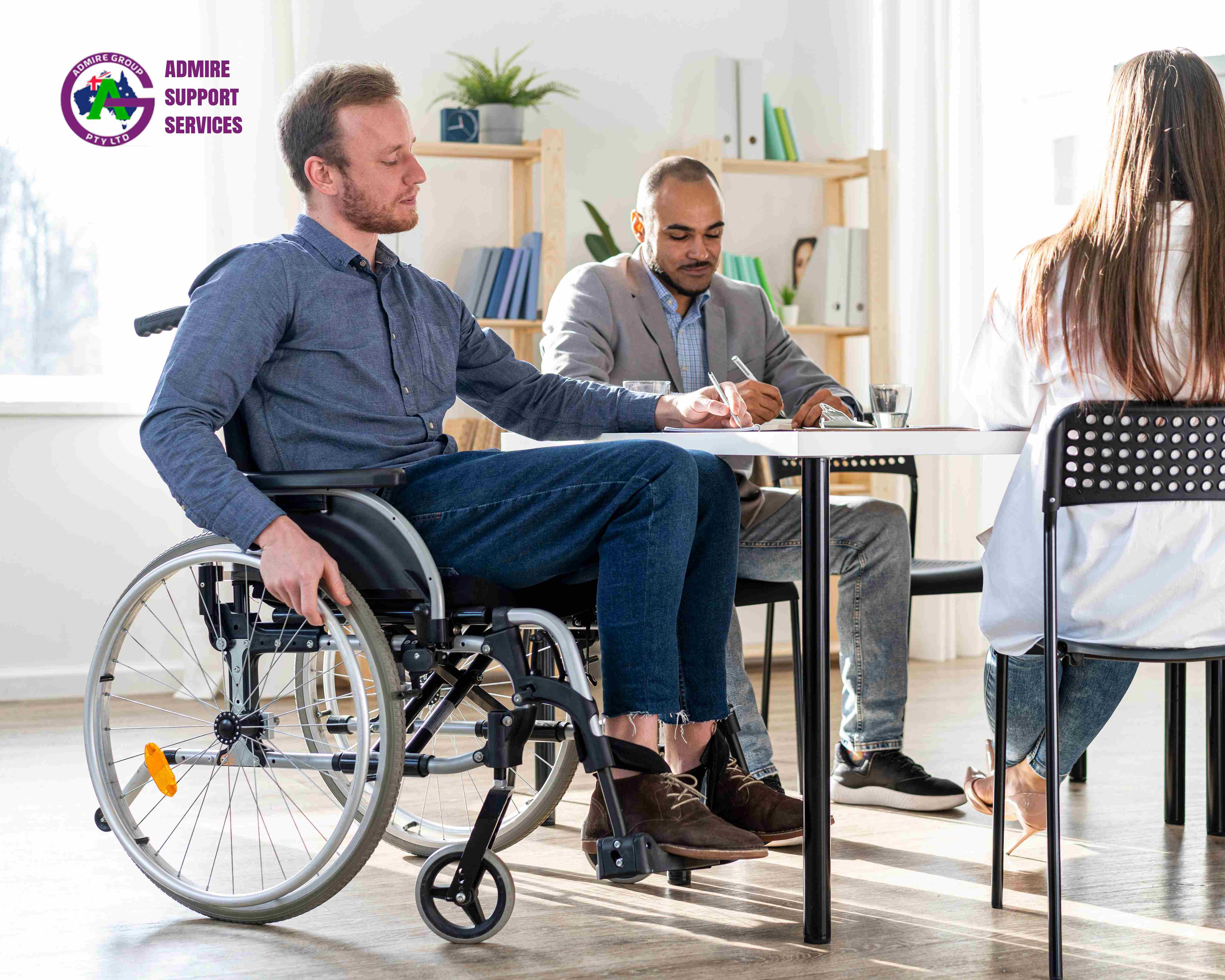
The Role of Assistive Technology in NDIS Plans
In the world of the National Disability Insurance Scheme (NDIS), few supports have the power to change daily life as dramatically as Assistive Technology (AT). While the phrase “assistive technology” can sound clinical, its real-world effect is anything but: it hands choice, dignity, and independence back to participants in ways that paid support hours alone rarely can.
At its core, assistive technology is any item, device, software, or system that helps a person with disability perform tasks that might otherwise be difficult, unsafe, or impossible. The NDIS recognises this by making AT one of the key building blocks available in most participants’ plans.
What Actually Counts as Assistive Technology?
The beauty of the NDIS definition is its breadth. Assistive technology can be:
- Simple daily living aids (non-slip mats, button hooks, large-handled cutlery, one-handed keyboards)
- Mobility and transfer equipment (walkers, manual or power wheelchairs, ceiling hoists, stair climbers)
- Communication solutions (speech-generating apps and dedicated devices, picture exchange systems, hearing loops)
- Sensory and regulation tools (noise-cancelling headphones, weighted blankets, chewable jewellery, visual timers)
- Environmental control systems (voice or switch-activated lights, doors, blinds, heating, and security)
- Alternative computer and phone access (eye-gaze, head tracking, sip-and-puff controls, adapted mounts)
- Cognitive and organisational supports (medication dispensers with alarms, GPS trackers, task-sequencing apps)
If a piece of equipment or software directly helps you achieve the goals in your NDIS plan with greater independence or safety, it almost always qualifies.
Why Assistive Technology Is Different from Every Other Support
Support workers are invaluable, but they are, by nature, another person’s time in your life. Assistive technology is different because it works 24 hours a day, 365 days a year, without needing to be rostered, trained, or paid overtime. It becomes an extension of you rather than an external service.
When chosen well, AT delivers five transformative outcomes:
- True independence You decide when to get out of bed, have a shower, open the front door, or turn off the lights—no more waiting for the next shift to start.
- Reduced long-term support costs A single ceiling hoist or environmental control unit can eliminate dozens of paid support hours every week. Over years, that often far outweighs the upfront cost of the equipment.
- Greater participation The right mobility aid, communication device, or vehicle modification can make education, employment, volunteering, sport, travel, and relationships genuinely achievable rather than theoretical.
- Improved health and safety Pressure-care mattresses prevent life-threatening skin breakdown. Smart sensors detect falls and call for help. Alert systems remind people to take medication or drink water.
- Dignity and self-determination Perhaps the least measurable but most profound benefit: being able to perform intimate personal tasks privately, speak for yourself in meetings, or control your own environment restores a sense of adulthood that disability can otherwise erode.
Making Assistive Technology a Reality in Your Plan
Getting the right AT funded is rarely as simple as asking for it, but a strategic approach makes approval far more likely:
- Start early – Complex assessments and trials can take months. Raise your AT needs at least six to twelve months before your plan is due for review.
- Connect every request to your goals – NDIS decision-makers ask “Is this reasonable and necessary?” The strongest answers link the equipment directly to goals you have already agreed on (e.g., “live in my own home,” “return to study,” “reduce risk of injury”).
- Gather strong evidence – Short videos showing the difference between current struggle and successful trial use are incredibly powerful. A one-page letter in your own words explaining how your life would change is often more persuasive than a 20-page report.
- Use the right professionals – Occupational therapists, speech pathologists, physiotherapists, and specialist assistive technology assessors speak the language the NDIS understands. Their reports carry significant weight.
- Trial everything possible – Borrowing equipment through state schemes, libraries of assistive technology, or private providers gives you real-life proof that a solution works for your body, your home, and your lifestyle.
The Long-Term View
The most successful NDIS participants treat assistive technology as an investment rather than an expense. A well-chosen power wheelchair today might keep someone out of residential care for decades. A communication device funded at age five can change the entire trajectory of education and employment.
Increasingly, planners and reviewers are recognising this bigger picture. When evidence clearly shows that the right piece of equipment will reduce future support needs, improve health outcomes, and align with the participant’s own goals, approval rates rise dramatically.
Final Thought
Assistive technology is never just about the equipment itself. It is about what becomes possible when barriers are removed: waking up when you choose, speaking your own thoughts, visiting friends without a three-week rostering battle, studying at university, working in a job you love, or simply closing your bedroom door and knowing you can open it again whenever you want.
In the NDIS landscape, few supports come close to matching that kind of life-changing power.